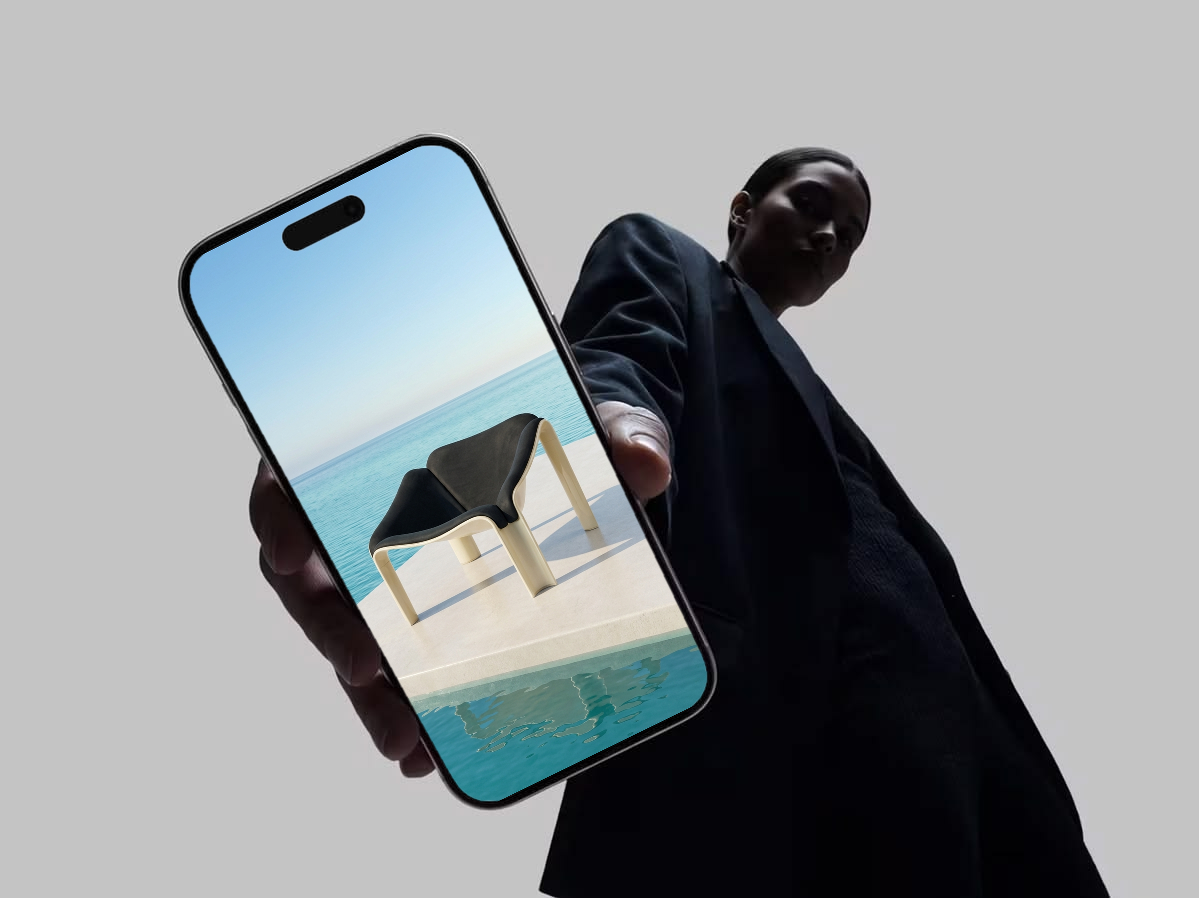
Does 3D and AR really move conversion?
Yes, and the pattern repeats across very different sellers. Shopify, with data from its own merchants, found that product pages with 3D/AR content convert about 94% higher on average. Wayfair reported close to a 92% conversion lift on products viewed with its "View in Room 3D" feature. DFS, the UK's largest sofa retailer, saw a 112% increase in conversion among shoppers who used its 3D/AR tool across more than 10,000 products.
~94% higher conversion on product pages with 3D/AR content — Shopify, merchant data (platform-wide)
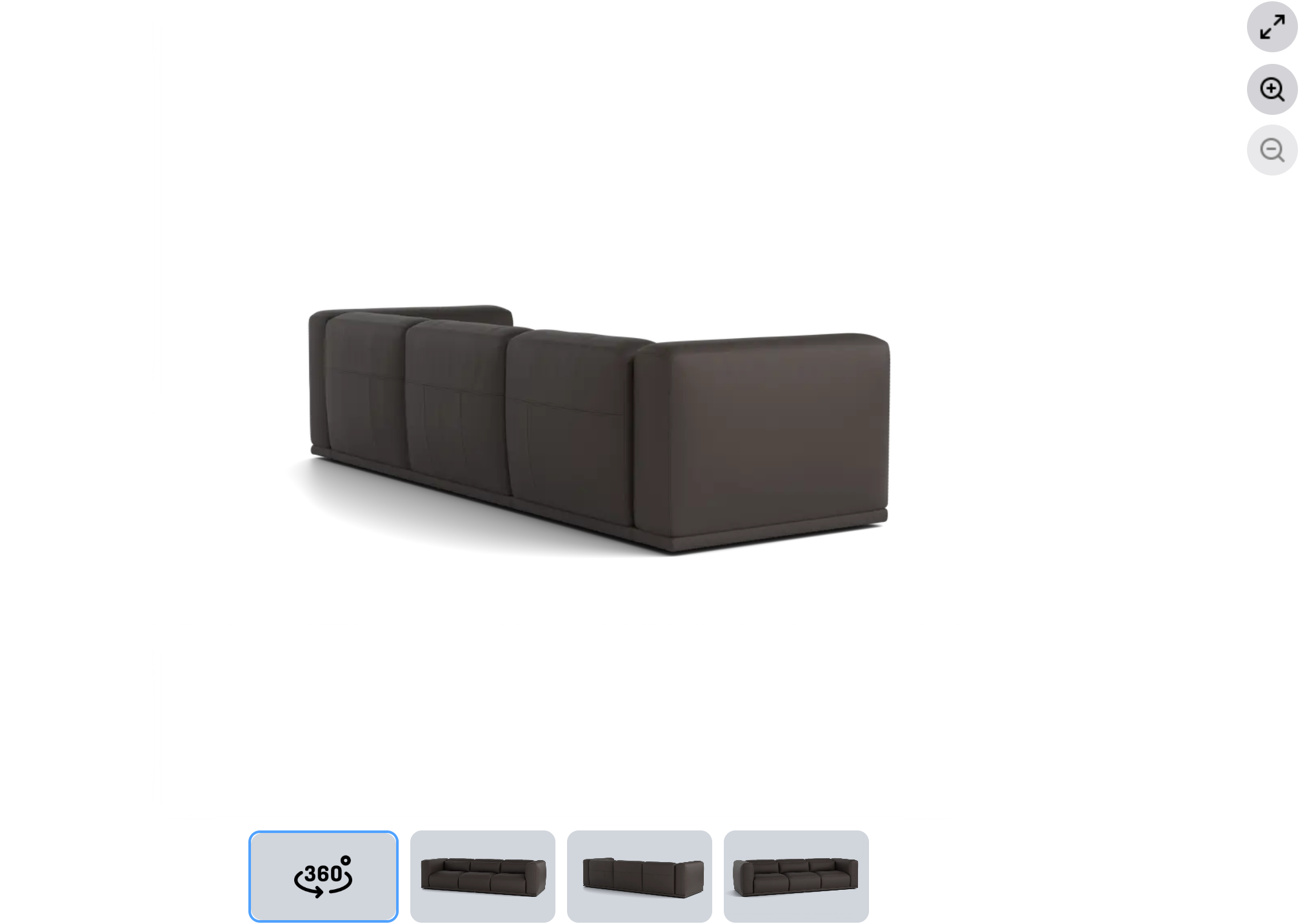
And returns?
This is usually the biggest saving, especially in furniture. Shopify merchants using immersive tools saw returns drop around 40%. Wayfair reported that shoppers who use its in-room AR return about a third less often. IKEA found that AR users reached 98% purchase confidence versus 85% without it, with a considerably lower return rate. The reason is simple: most furniture returns come down to size, fit and color exactly what a flat photo can't confirm and a living catalog can.
~40% fewer returns at merchants with immersive 3D/AR tools — Shopify. Online furniture returns typically run from 15% to 30%, versus ~5–10% in physical stores (industry benchmark; furniture category).
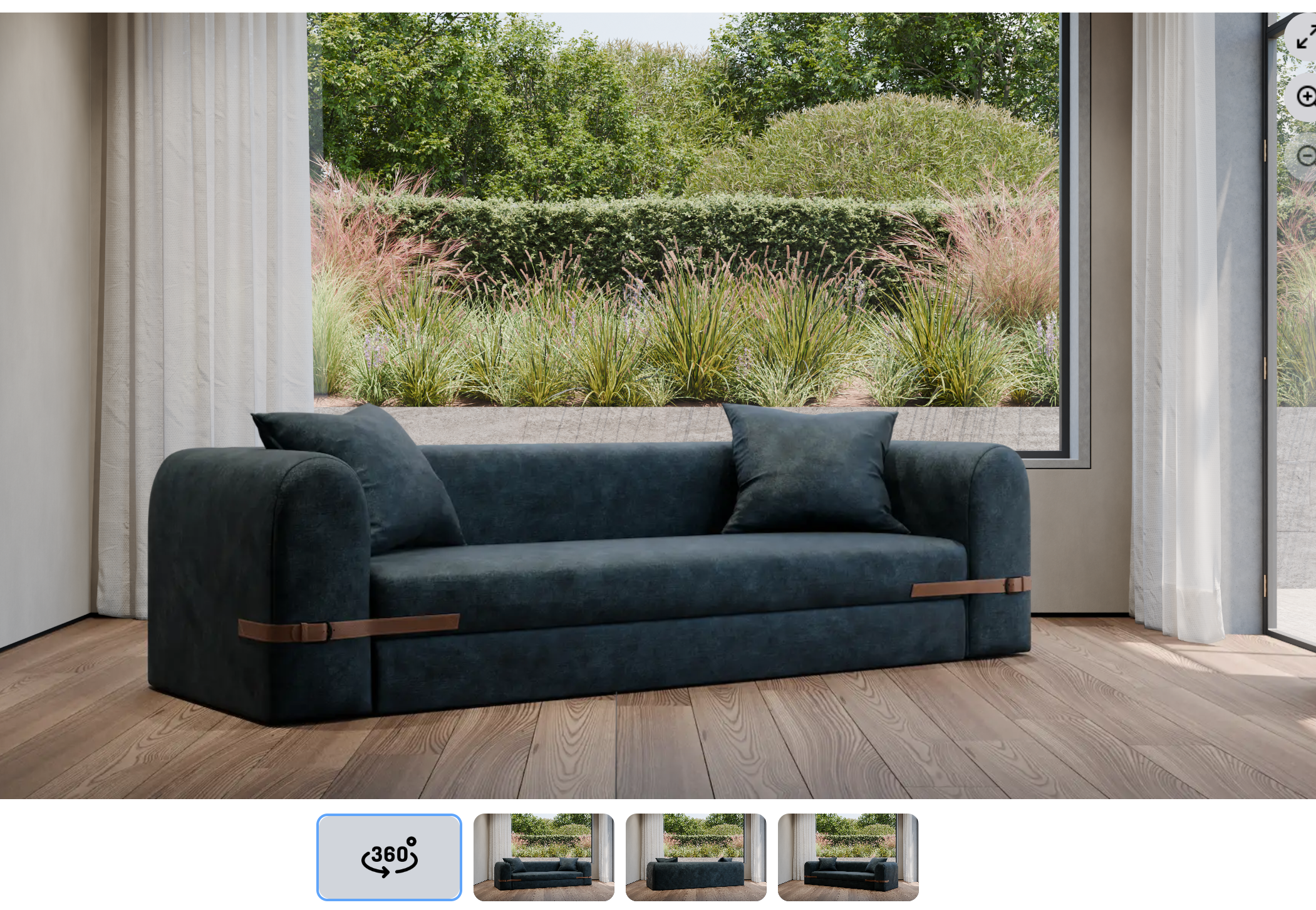
Why does experiencing the product change behavior?
Because it builds confidence, and confidence is what closes the sale. A Harvard Business Review study found that AR users spent about 21% more time interacting and viewed around 1.3x more products. When people can spin a product, configure the exact version they want, and see it in their own room, hesitation turns into a decision.
The catch nobody mentions: adoption.
Here's the honest part. These lifts apply to the people who actually use the 3D or AR tool, not to everyone who lands on the page. A configurator buried three clicks deep won't move your numbers. The real metric isn't whether you have 3D/AR it's how many of your buyers use it. That's why it has to be on the product page, not hidden away.
And this is exactly where we work hand in hand with your marketing team. The technology only pays off when the customer actually finds it and understands it, so we don't hand you a 3D model and walk away. We help your team with the pieces and tools to put the experience front and center: product pages that are impossible to ignore, clear "spin it / view it in your space" prompts, and assets ready to use. We make it easy to use and easy to find. You bring the product, we turn it into something people can experience.