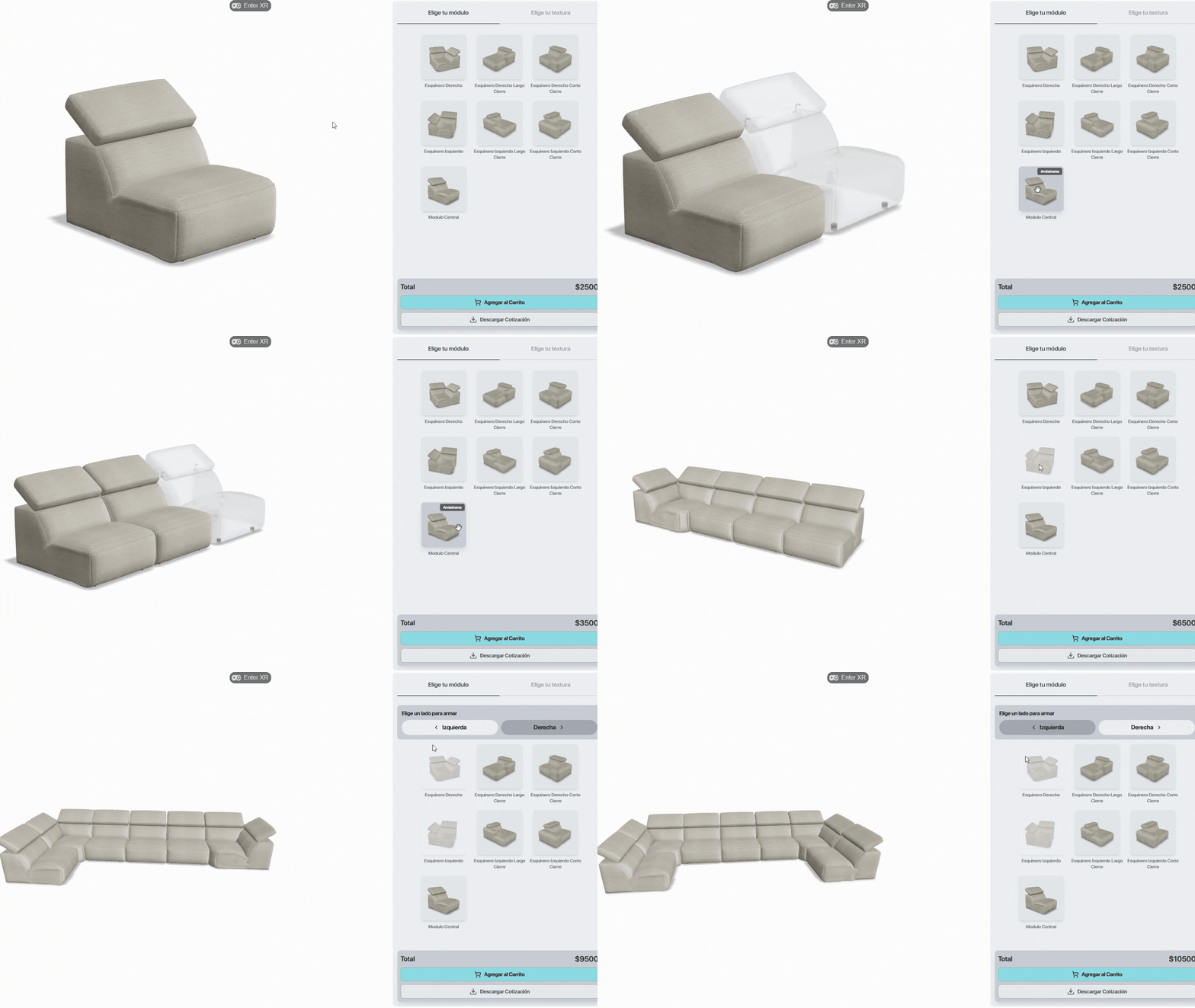
A living catalog is a product catalog people can experience, not just view: they spin it, configure it, and place it in their own space in AR, online or in-store. It replaces the flat photo that can't answer a buyer's real questions, and it's what turns a browser into a buyer.
Why do static catalogs lose sales?
For decades, a catalog was a stack of photos. Flat, fixed, and outdated the moment a customer wanted to see the blue one, in their living room, from the back. That's not a catalog. It's a dead end. A static catalog costs you the sale you never saw: the customer who couldn't picture the product, so didn't buy it.
What is a living catalog?
It doesn't just show a product. It lets people experience it. Spin it, configure it, drop it into their own space in AR. They see the version they actually want, not the one you happened to photograph. And it's the same experience online and in-store: on the couch or on the shop floor.
Why "intelligent"?
Because it listens. Every spin, every configuration, every add to cart tells you how people really shop. A static catalog talks. A living catalog listens, and gets smarter with every visit.
Does the format actually matter for conversion?
Yes. Furniture is one of the worst-converting categories online, at around 1.27% on average (Shopify). The problem isn't demand. It's that a flat photo can't be experienced.
A living catalog closes the sale a static one loses. Your products deserve to breathe
At Ardata, that's the whole idea: one intelligent commerce experience that turns your catalog from a brochure into something alive.
What's the last static product page that lost you a sale?
Frequently asked questions
What is a living catalog?
A product catalog people can experience instead of just view. It combines 3D, augmented reality and 360 spin so shoppers can explore, customize and place products in their own space, online and in-store.
Does it work in physical stores too?
Does it work in physical stores too?
Does it actually increase sales?
Letting people experience a product builds the confidence to buy, which typically raises conversion and lowers returns, especially in categories like furniture that convert poorly with flat images.
What products does it work for?
Anything visual or configurable, furniture and home first, but the same system applies to any product people want to see, customize and picture before buying.